Roof Repair and Replacement Across Harbour Trees, IN
Harbour Trees Roofing provides roof inspections, repairs, and replacements for homeowners in Harbour Trees, from the interior golf course lots to the waterfront homes along Morse Reservoir. Licensed and insured in Indiana, we offer free inspections and written estimates so you know exactly what your roof needs before any work begins.
If we're busy helping someone else and miss your call, we'll call you back within 15 minutes.



Harbour Trees homeowners get one named lead from Harbour Trees Roofing, first ladder to final walkthrough, with the file to keep. Call (317) 350-1984.
- Services: roof inspections, roof repair, emergency roof repair, roof replacement
- Service area: Harbour Trees, Hamilton County, IN and surrounding areas
- Response: Storm calls across Harbour Trees answered promptly; damage documented before weather erases it
- Licensed and insured (License #RC21100059)
- Serving Harbour Trees, IN since 2018
Schedule Your Free Roof Inspection
A roof inspection in Harbour Trees is not a five minute look from the driveway. Our crew gets on the roof and checks the field shingles for hail bruising, cracking, and granule loss, then examines the flashing at chimneys, sidewalls, and skylights, the valleys where debris collects under the tree canopy, and the vents, ridges, and edges where wind damage tends to start. We document everything with photos so you can see what we see, whether that is lifted tabs from a straight line wind event or worn areas from decades of sun and shade. Catching problems early is the difference between a targeted repair and a much larger bill, which is why every Harbour Trees inspection is free and comes with a written summary.
I agree to be contacted by Harbour Trees Roofing regarding my inquiry.
Skylights age on a different clock than the Harbour Trees roofs around them. The flashing kits and seals that came with the unit were built for the roof that existed at install, and twenty years of IN sun and movement later, the skylight is often the oldest detail on a resurfaced roof. Across Hamilton County, the mystery stain below a skylight is rarely a mystery to anyone who has opened one up.
Ventilation math comes standard with every Harbour Trees Roofing inspection, because Harbour Trees shingles cook from underneath. Intake gets measured against exhaust, painted shut soffits get flagged, and insulation stuffed against the eaves gets noted before it costs another five years of roof life. Across Hamilton County, half the aging roofs we inspect have an airflow problem the last three estimates never mentioned.
Nail pops freckling the bedroom slope? Harbour Trees Roofing runs pop sweeps across Harbour Trees: fasteners reset, shingles resealed or replaced by condition, and the scatter documented so next year has a baseline. Call (317) 350-1984. Across Hamilton County, each pop is a small fix now and a deck stain later, and the sweep costs less than the drywall repair it prevents.
Payment Options That Work for You
We partner with established lenders so Harbour Trees Roofing clients can spread the cost of a major roofing project into manageable payments. Ask your project lead about current options.
Pay for your project at a later time, but lock in today's pricing. Ideal for homeowners waiting on insurance settlements.
- No payments for 12 months
- No interest if paid in full
- Lock in current pricing today
Divide your project cost equally across 12 months with zero interest. Most homeowners choose this option for predictable budgeting.
- Equal monthly payments
- 0% interest for 12 months
- Simple, predictable budgeting
Spread your investment over up to 20 years with fixed equal payments. The right choice for larger projects or homeowners who prefer lower monthly amounts.
- Up to 20-year terms available
- Fixed equal payments
- Ideal for larger projects
Financing provided by Slice, Foundation Finance, Regions. Subject to credit approval. Rates, terms, and promotional periods are set by the lender and disclosed in writing before you sign.
From Inspection to Final Walkthrough
Roofing work at Harbour Trees Roofing spans inspections through full replacements, and the crews are manufacturer-certified with documentation you can read.
Roof Inspections in Harbour Trees
Free on roof inspections for Harbour Trees homeowners, covering shingles, flashing, valleys, and penetrations, with photo documentation and a written summary of findings.
Learn moreRoof Repair in Harbour Trees
Targeted repairs for Harbour Trees roofs, including replacing damaged shingles, resealing flashing, fixing valleys, and addressing wind or hail damage before it spreads.
Learn moreEmergency Roof Repair in Harbour Trees
Prompt response for Harbour Trees homes with active leaks, storm damage, or exposed decking, including temporary weatherproofing to protect the interior until permanent repairs are scheduled.
Learn moreRoof Replacement in Harbour Trees
Full tear off and replacement for Harbour Trees homes, including underlayment, shingles or metal, flashing, and ventilation, with cleanup and a final walkthrough.
Learn moreDesigner Roofing in Harbour Trees
Premium designer shingle and material options for Harbour Trees homes where curb appeal and long term performance both matter, matched to the architecture of the house.
Learn more
Local Expertise, Real Results
Storm claims get documented to carrier standards, and nothing is claimed beyond what is on the roof.
Leak repairs get diagnosed, not guessed. Harbour Trees Roofing traces water to its entry point on Harbour Trees roofs, fixes the cause instead of the symptom, and confirms the shingle match at the house before ordering.
Harbour Trees Roofing serves Harbour Trees homeowners along with the rest of Noblesville and surrounding Hamilton County communities like Fishers, Carmel, Westfield, Cicero, and Sheridan. Founded in 2018 by Aaron Christy, who has been featured on FOX59, WISH TV, and RTV6, the company has spent years working on central Indiana roofs of every era and pitch. Our crews are local, licensed, and insured, and we hold Indiana license RC21100059. When you call about a roof in Harbour Trees, you are talking to people who know the neighborhoods, the housing stock, and the weather that beats on them.
The way we work in Harbour Trees is straightforward. Every job starts with a thorough on roof inspection, photo documentation of what we find, and a written estimate that spells out the scope in plain language. We do not push work you do not need, and we do not hide line items in vague bundles. When the roofing work begins, our crews protect landscaping, keep the site tidy through the day, and finish with a walkthrough so you can see exactly what was replaced or repaired. Clean workmanship on the roof and honest communication on the ground, that is the whole approach.
Our Promise
We make three commitments to Harbour Trees homeowners. First, a free on site inspection before any work is proposed, so no one is guessing about the condition of your roof. Second, an honest written estimate with transparent line items, so the number you approve is the number you pay. Third, clean workmanship backed by a workmanship warranty, on top of the standard manufacturer coverage that comes with the shingles or materials installed.
The Standard We Hold on Harbour Trees Roofs
Our Harbour Trees and Hamilton County work runs on quality materials, careful inspection, and honest numbers.
Storm And Hail Response
Hamilton County sees an active severe weather pattern each spring and summer, and hail has been detected near Noblesville dozens of times in the past year alone. We move storm calls to the front of the line and get on the roof to assess bruised shingles, torn tabs, and damaged flashing. You get photo documentation and a clear next step, fast.
We Know Harbour Trees Homes
The traditional homes around Harbour Trees Golf and Beach Club were built with complex rooflines, dormers, valleys, and steep pitches that need a careful hand. Our crews have worked on the older 1970s builds and the newer construction alike. That experience shows up in cleaner flashing details and shingle courses that lay right.
Full Scope Roofing
From the first inspection through the final walkthrough, one company handles the roof. Inspection, repair, emergency work after a storm, full replacement, and designer roofing options are all in house. You are not chasing three contractors to finish one job.
Insurance Documentation Done Right
When a Harbour Trees roof has legitimate storm damage, the paperwork matters as much as the shingles. We document the damage with dated photos, write up findings in plain language, and meet the adjuster on the roof when it helps. That kind of prep tends to make claims move more smoothly.
Real Jobs. Real Results.
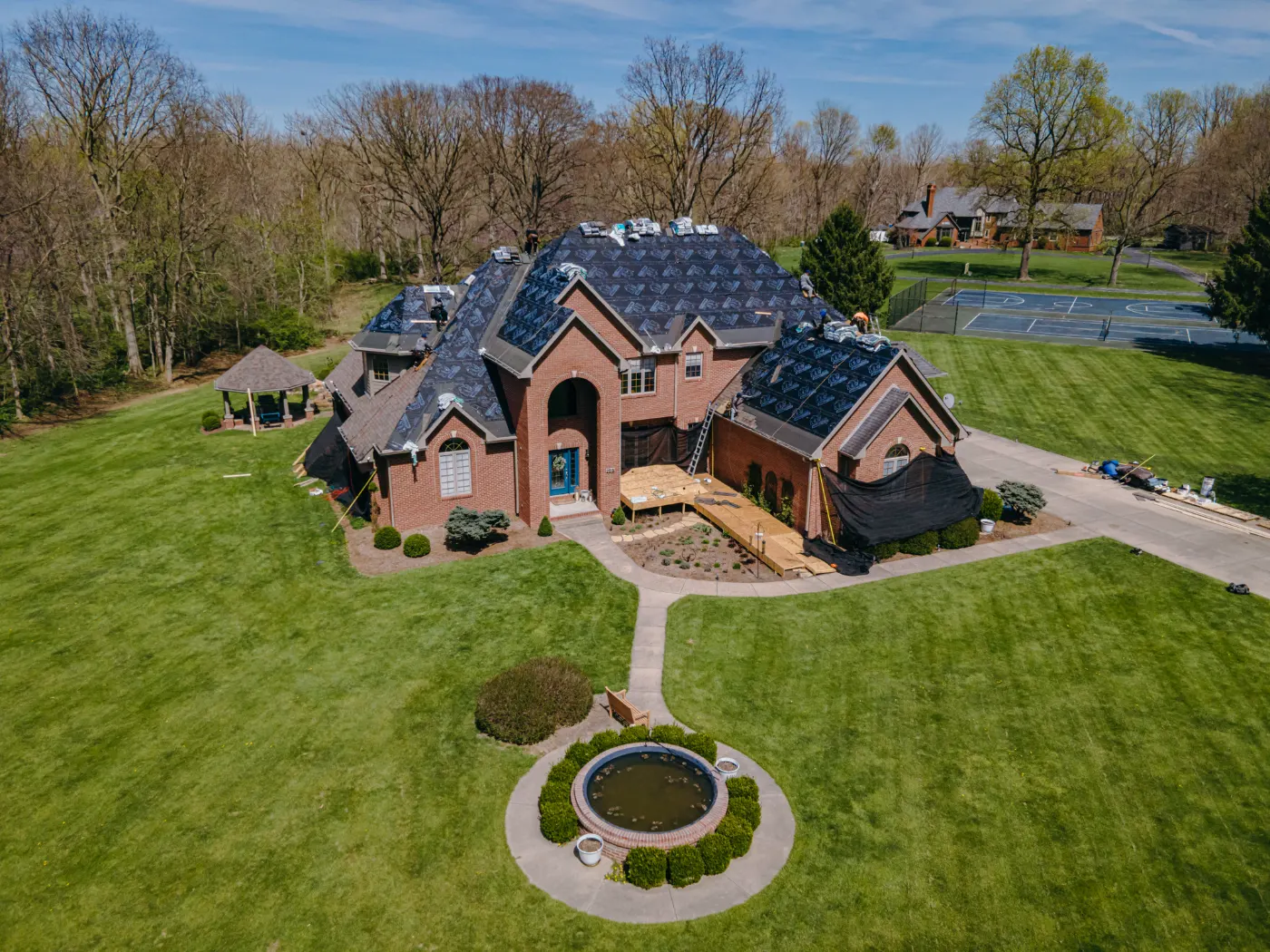
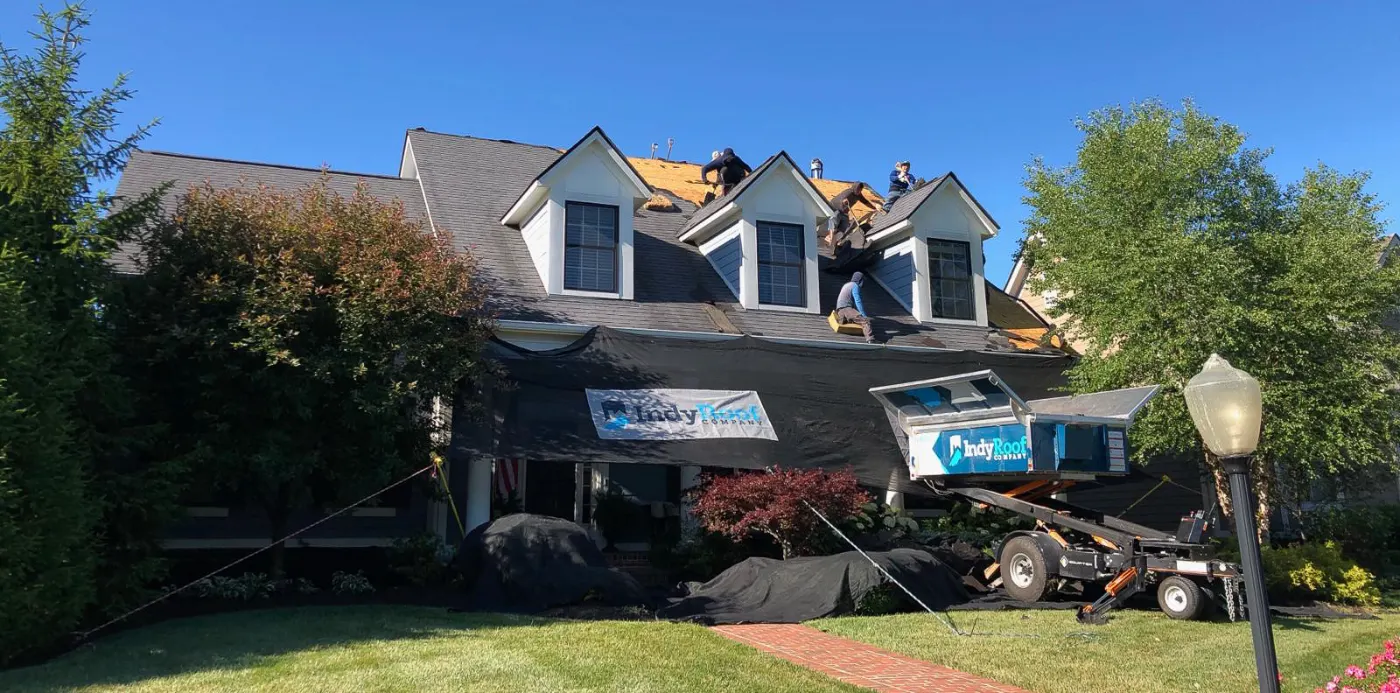
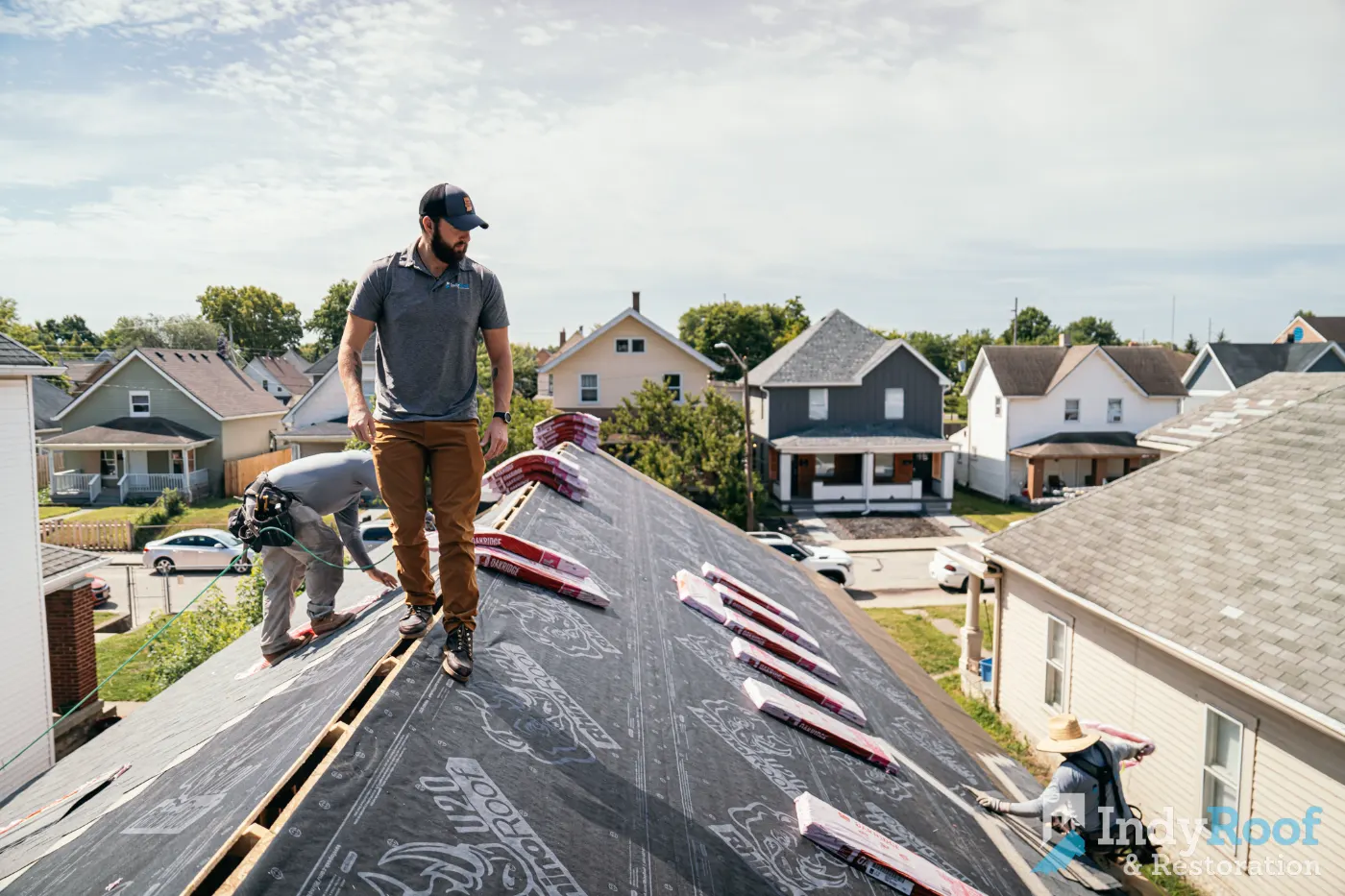
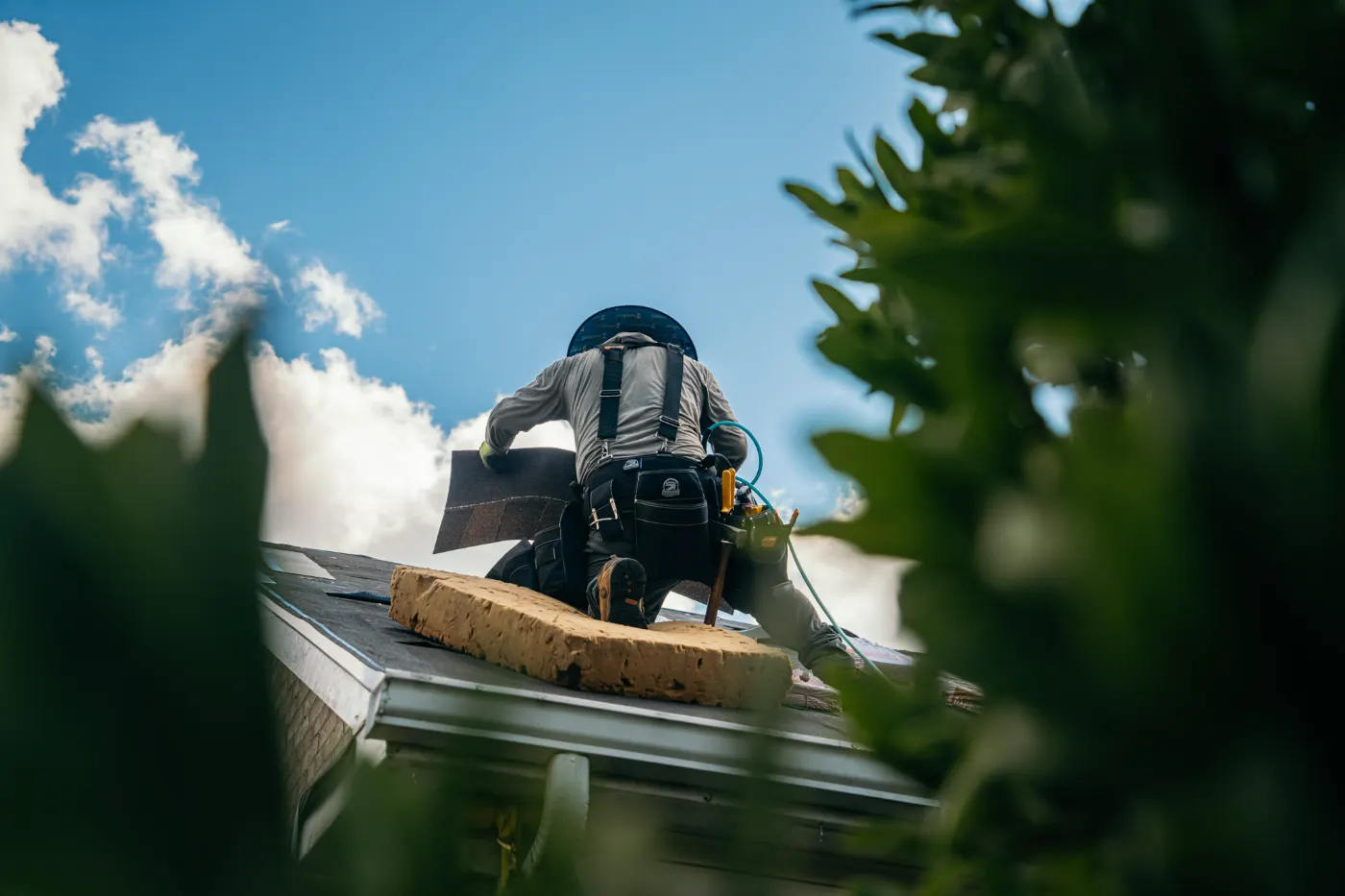
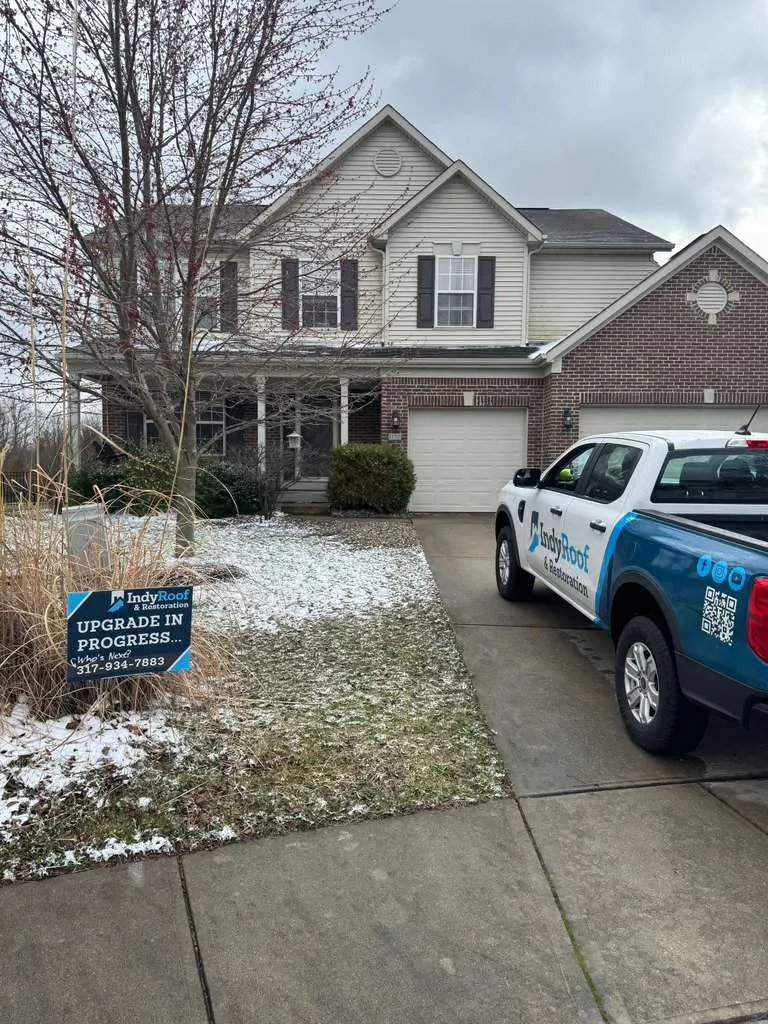
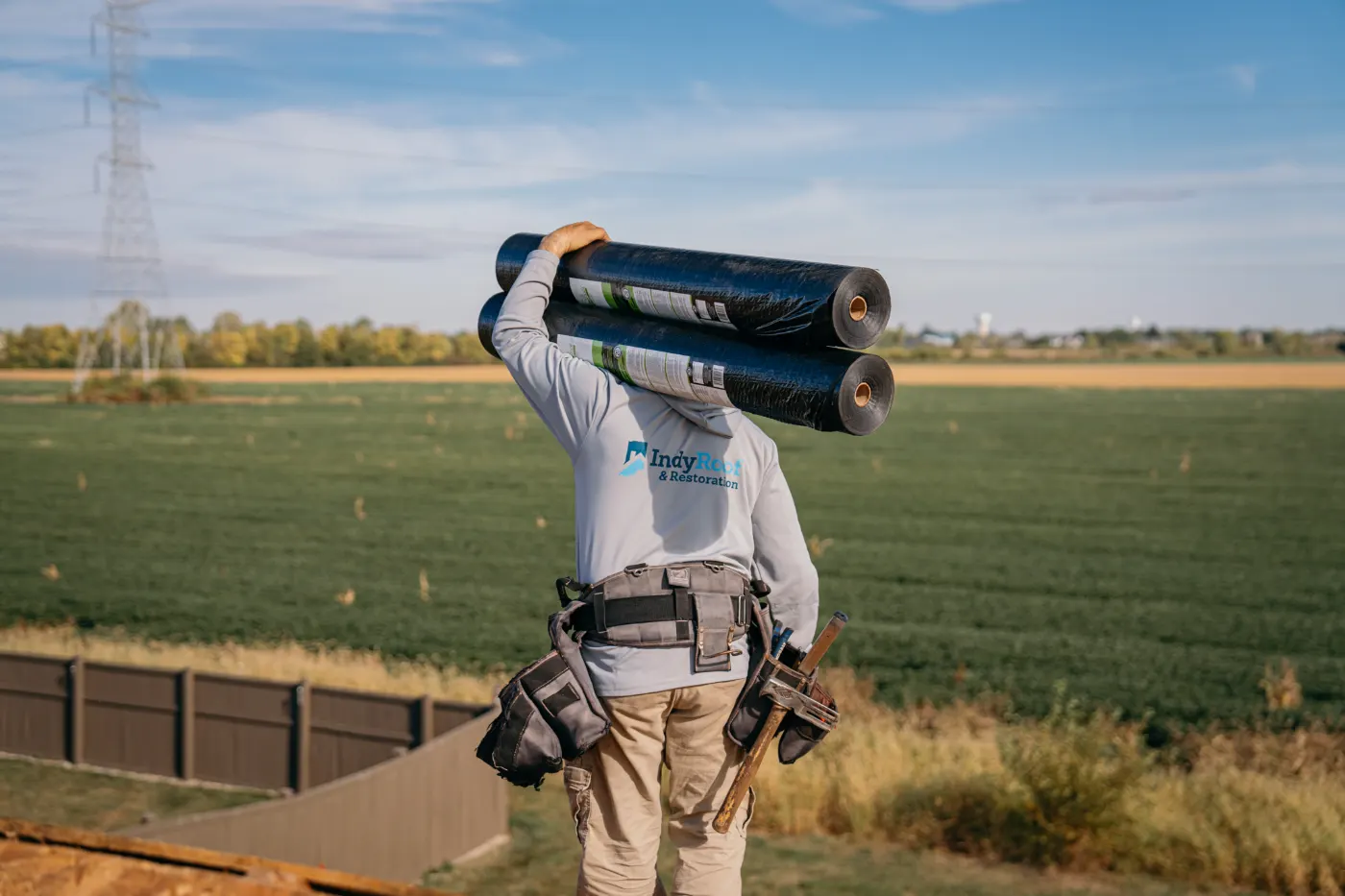
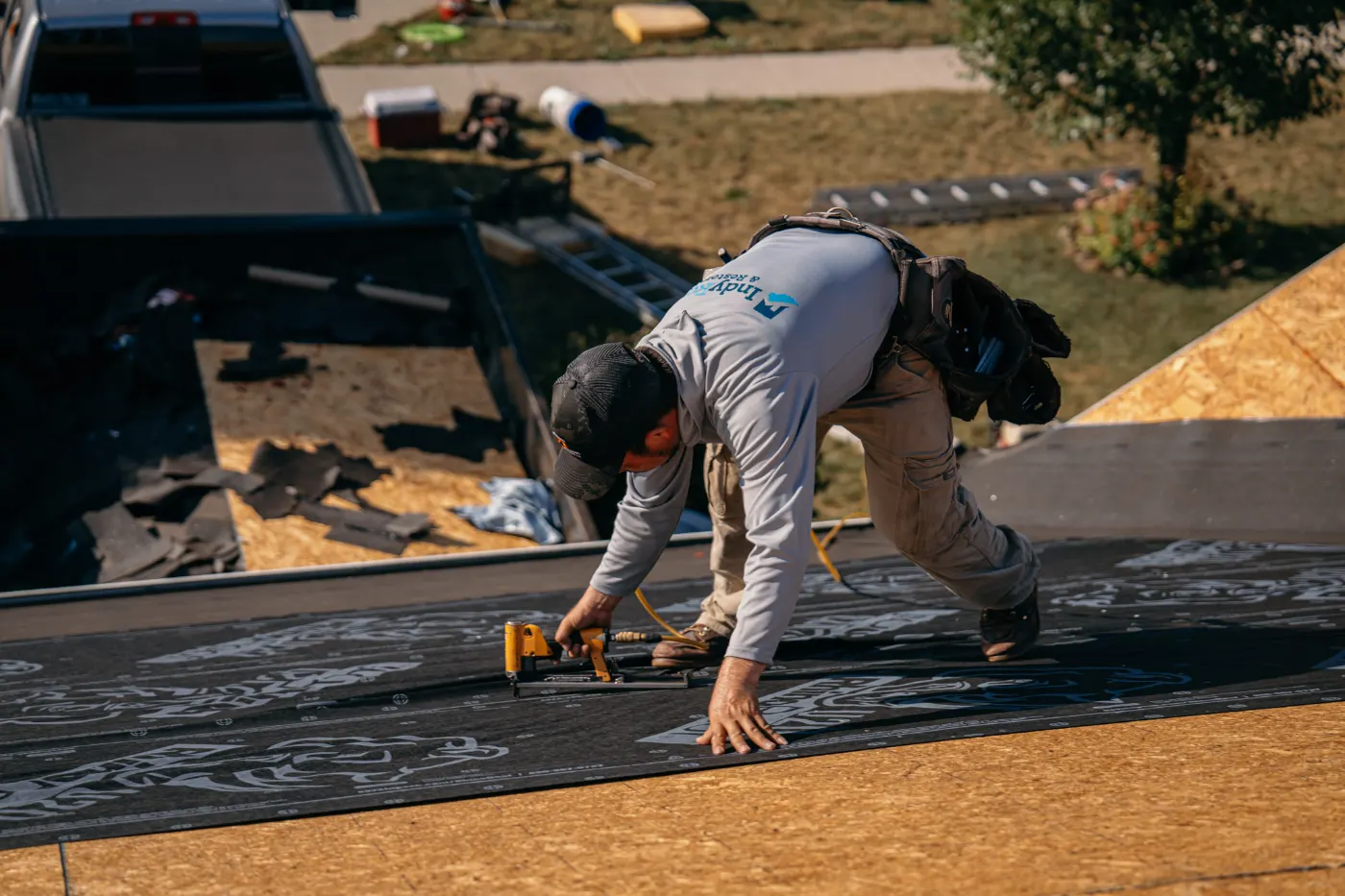
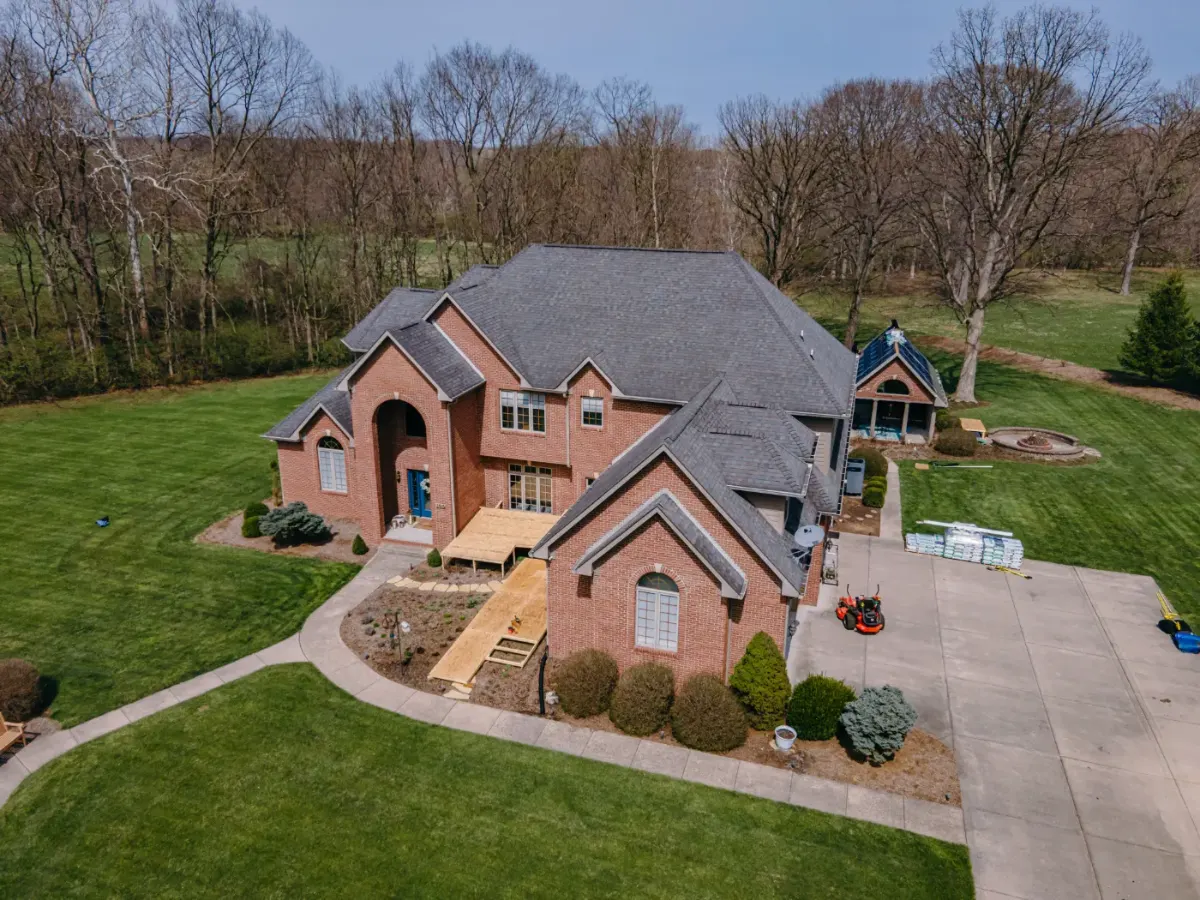
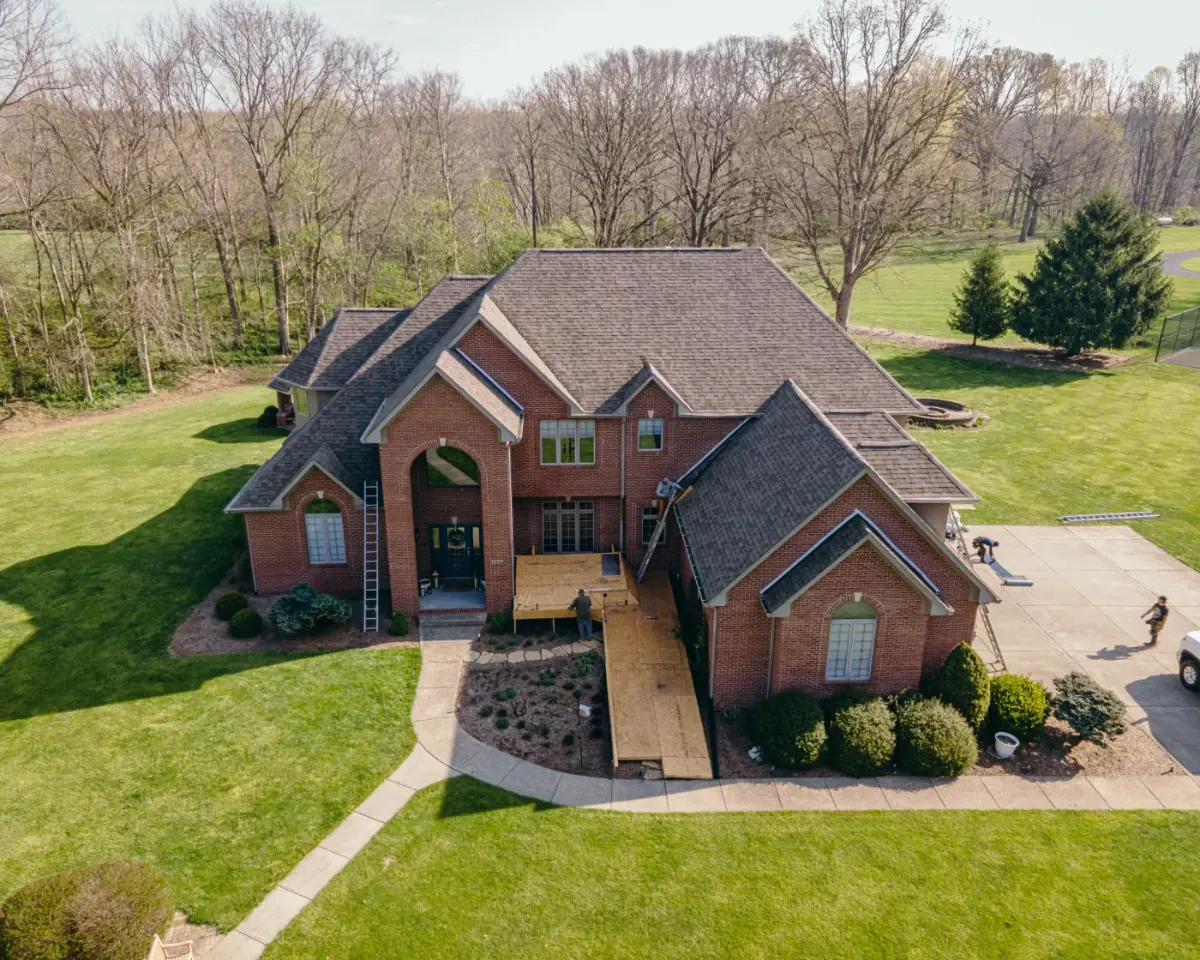
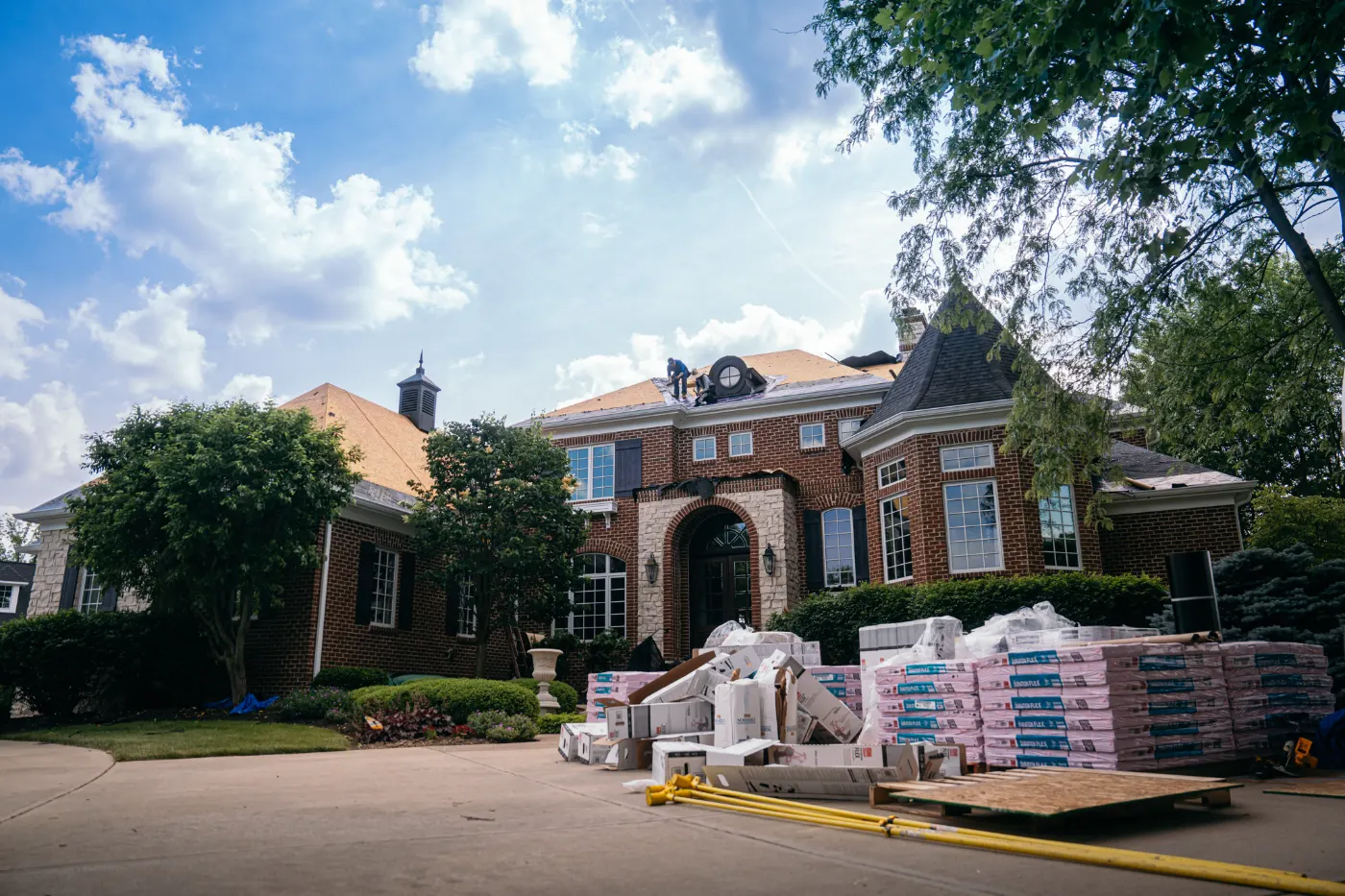
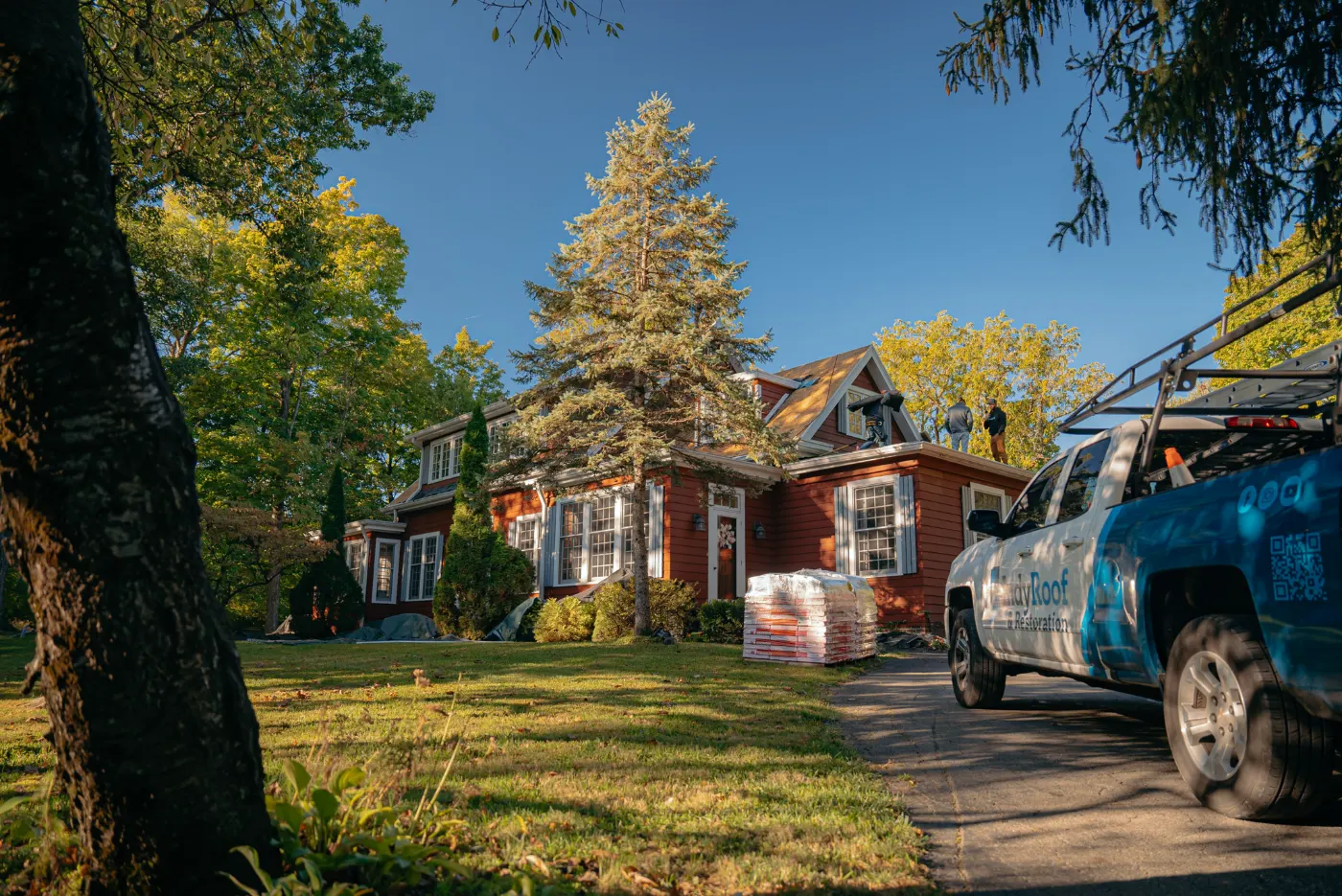
Photos from recent roofing projects completed by our manufacturer-certified crew across Harbour Trees and Hamilton County. Every project is documented with photos and a written closeout package.
From First Call to Final Nail in Harbour Trees
Step one is the inspection. We meet you at the house, get on the roof, and walk the whole system, field shingles, flashing, valleys, penetrations, ridges, and edges. Any storm damage, age wear, or problem areas get photographed and noted. For Harbour Trees homes with steep multi slope designs and dormers, this takes time to do right, and we take that time. Before we leave, you get a plain summary of what we found and a clear scope for what should happen next, whether that is a targeted repair, a full replacement, or simply keeping an eye on things for another season.
Step two is the estimate and, when it applies, the insurance side. You get a written estimate that lists the materials, the labor, and the scope in language you can actually read. If a storm caused the damage, we help document the claim for your insurance carrier and can be on the roof when the adjuster inspects, so nothing legitimate gets missed. works with your insurance carrier and we do not name policies for you, that stays between you and your carrier, but we make sure the roof story is told accurately. Harbour Trees homeowners appreciate knowing what is covered before the work is scheduled.
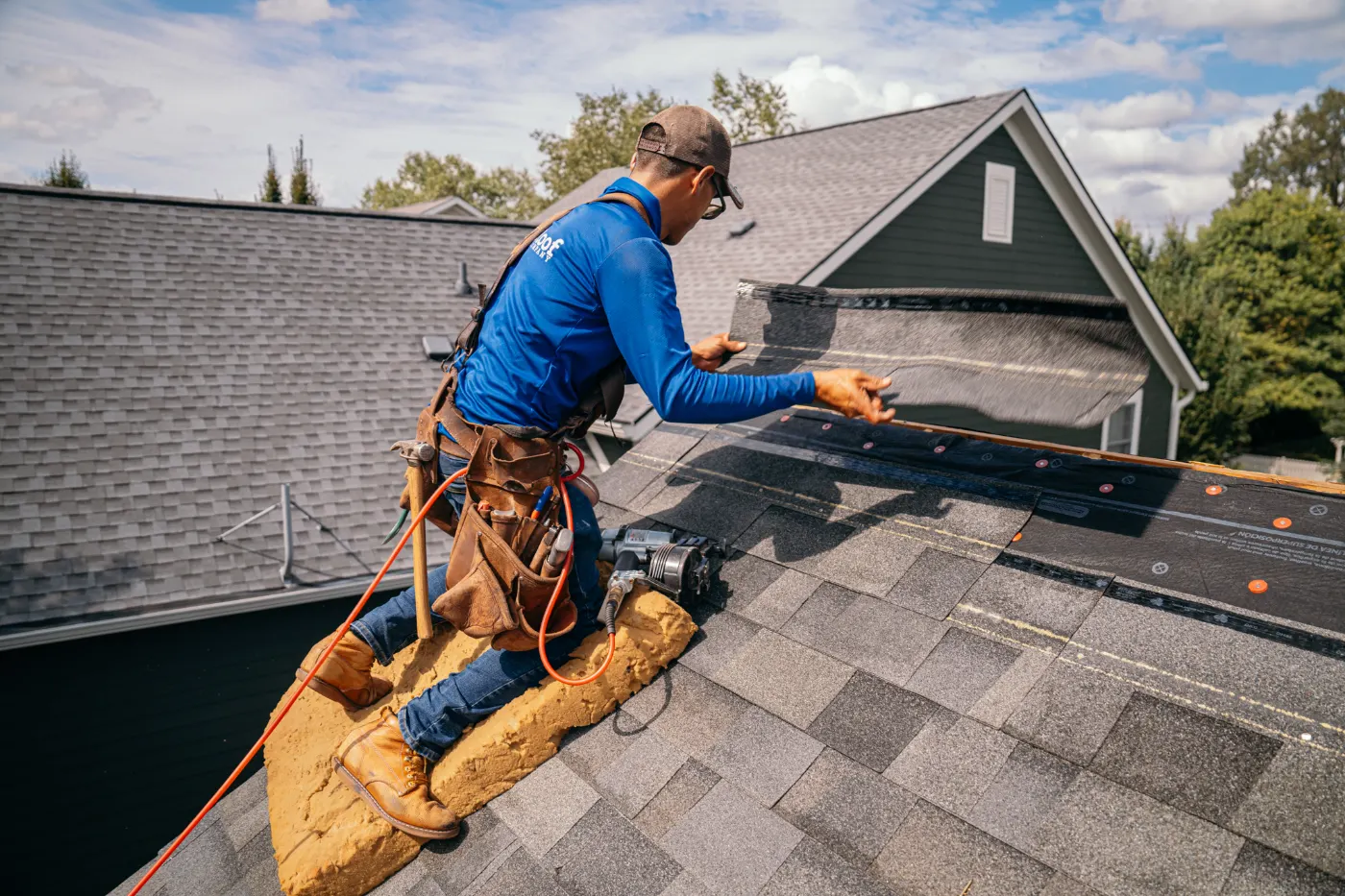
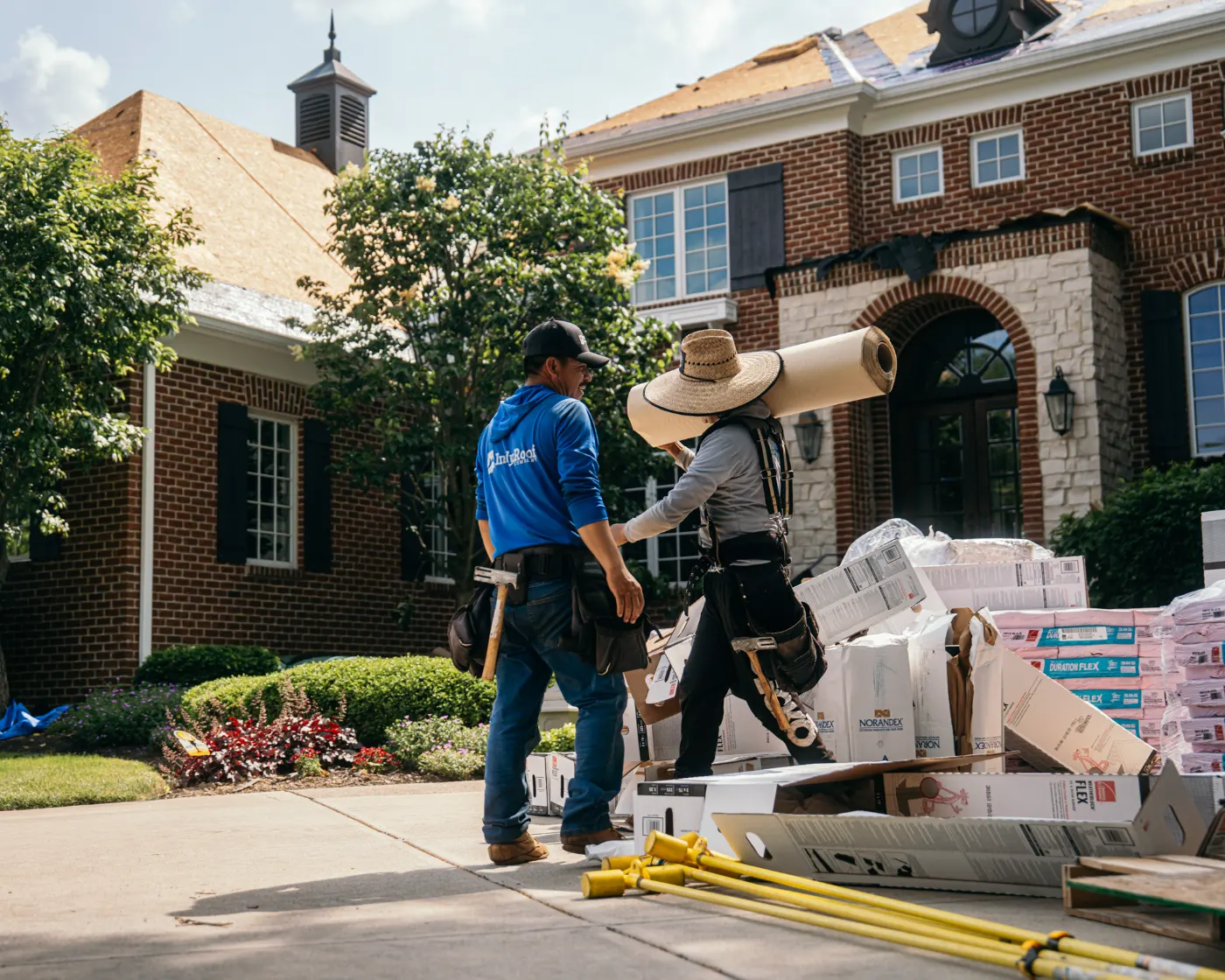
Step three is the work itself. Once the scope is approved, we schedule the crew and protect the property with tarps and ground cover before the first shingle comes off. The roofing goes on cleanly, flashing is installed or reused per the scope, and the site is cleaned each day, including a magnet sweep for nails. When the job wraps, we walk the finished roof with you, review what was done, and answer questions. Harbour Trees homes deserve a finish that looks as good from the street as it performs in the next storm.
Free Inspection With Photos
We start on the roof, not in the driveway. The crew checks shingles, flashing, valleys, and penetrations and photographs anything worth noting. You get a plain summary of the findings before any conversation about scope or cost.
Honest Written Estimate
Every quote is written, itemized, and explained in language you can read without a translator. Materials, labor, and scope are laid out clearly so you can compare fairly. Transparent line items after the fact.
Insurance Documentation
For Harbour Trees storm claims, we document the damage thoroughly and work with your insurance carrier and adjuster as the roofing expert on site. works with your insurance carrier, but we make sure the roof condition is represented accurately in writing and in photos.
Clean Work, Final Walkthrough
The crew protects landscaping, keeps the site tidy, and sweeps for nails before leaving each day. When the roof is finished, we walk it with you, review the scope that was completed, and answer questions. The workmanship is backed by our warranty.
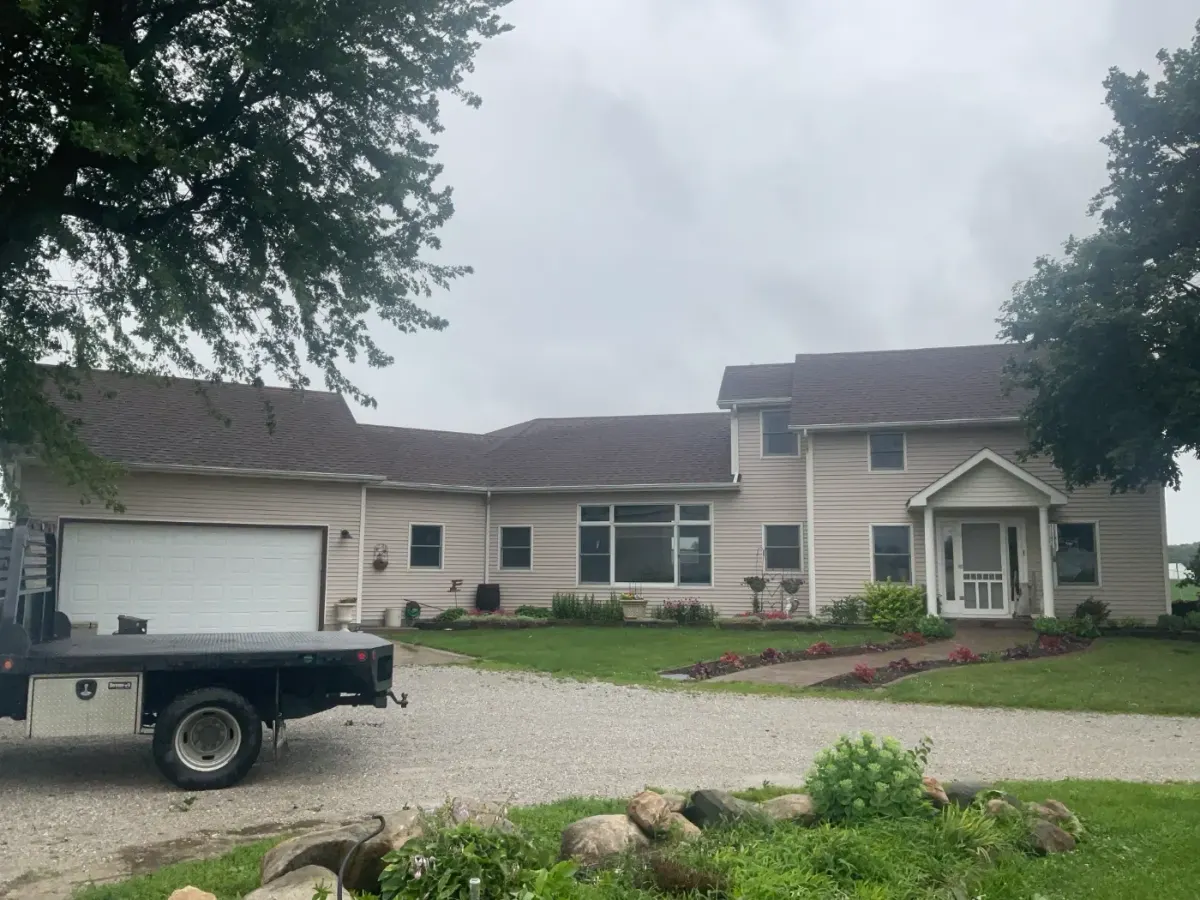
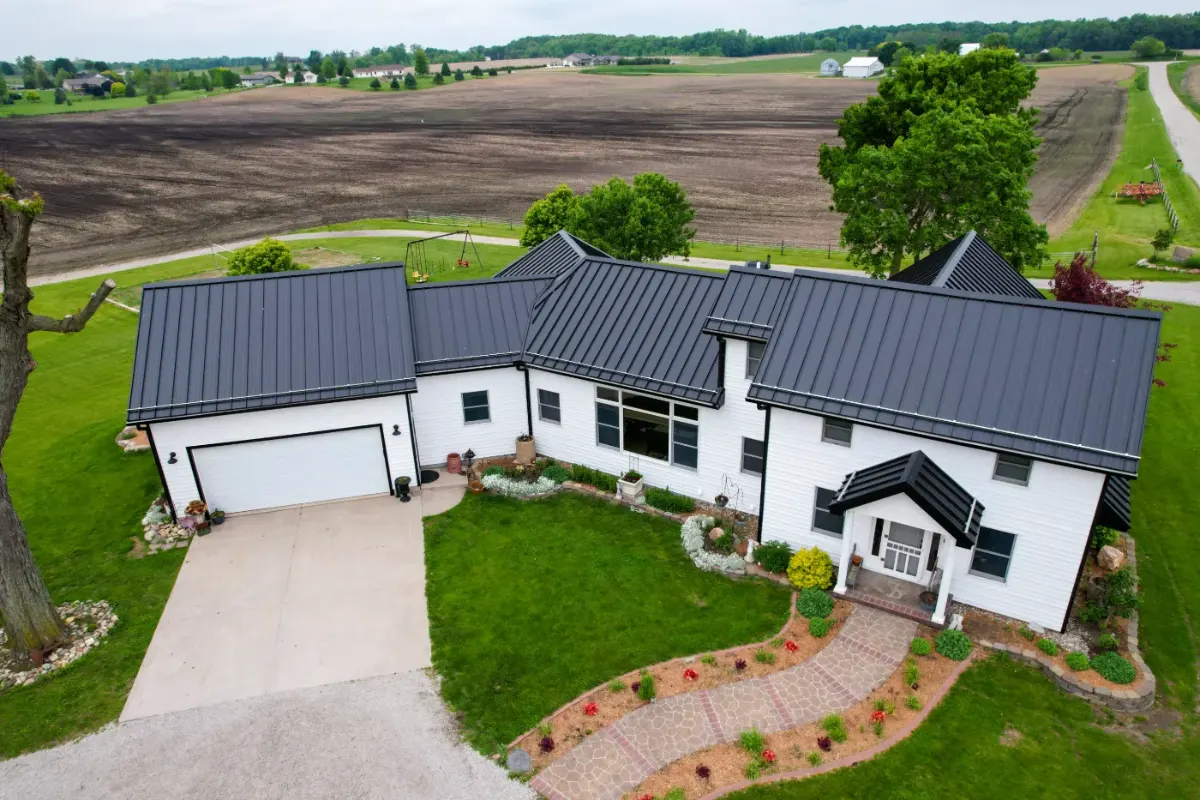
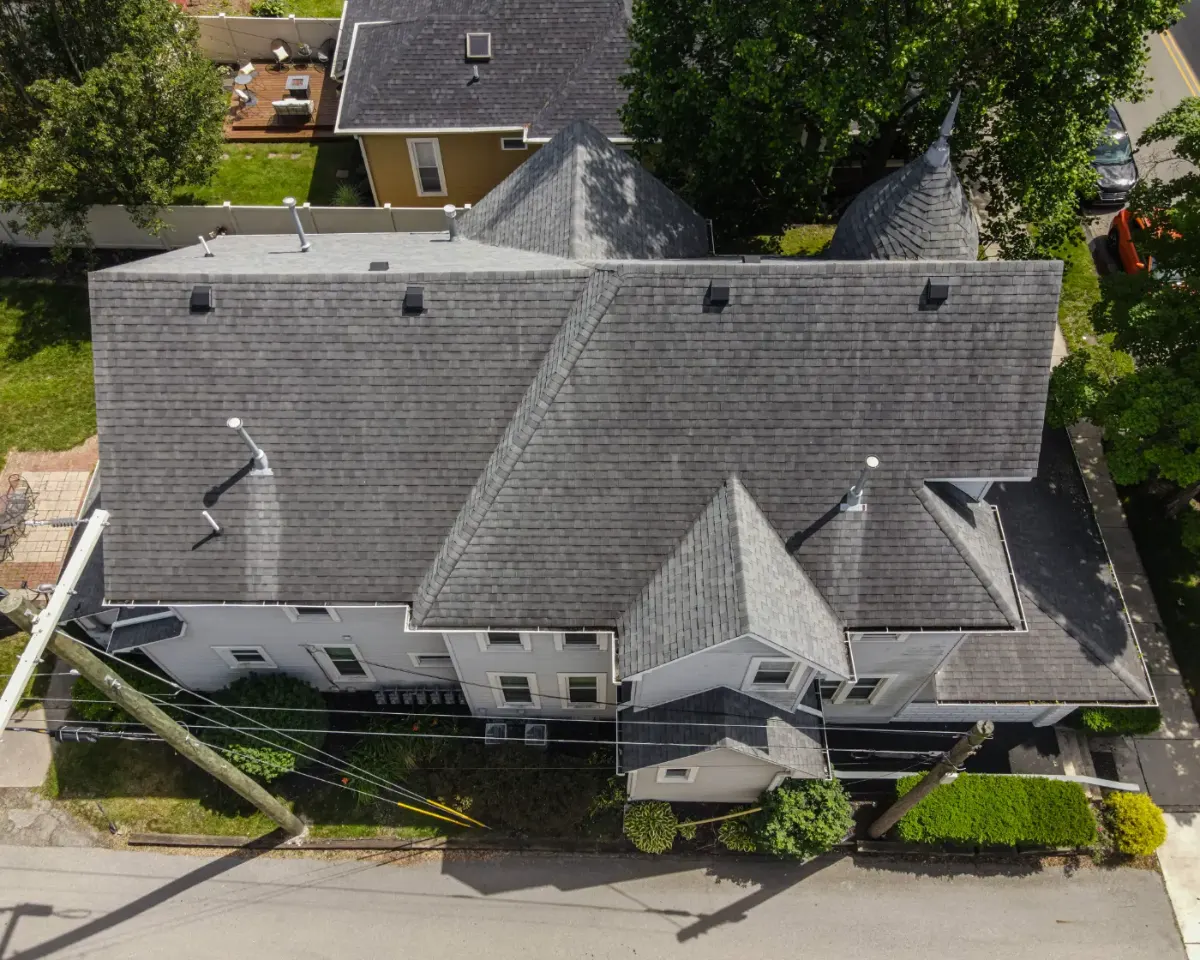
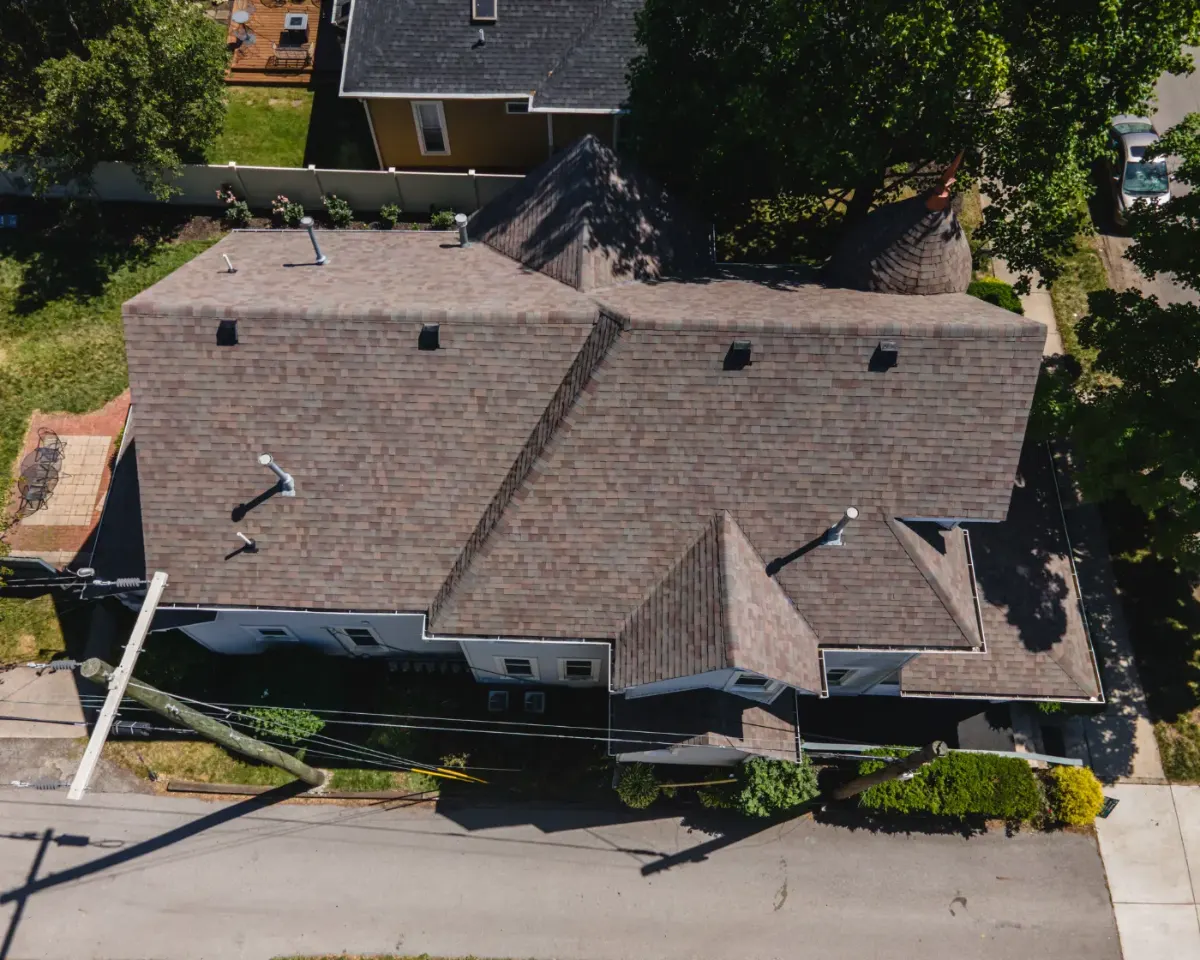
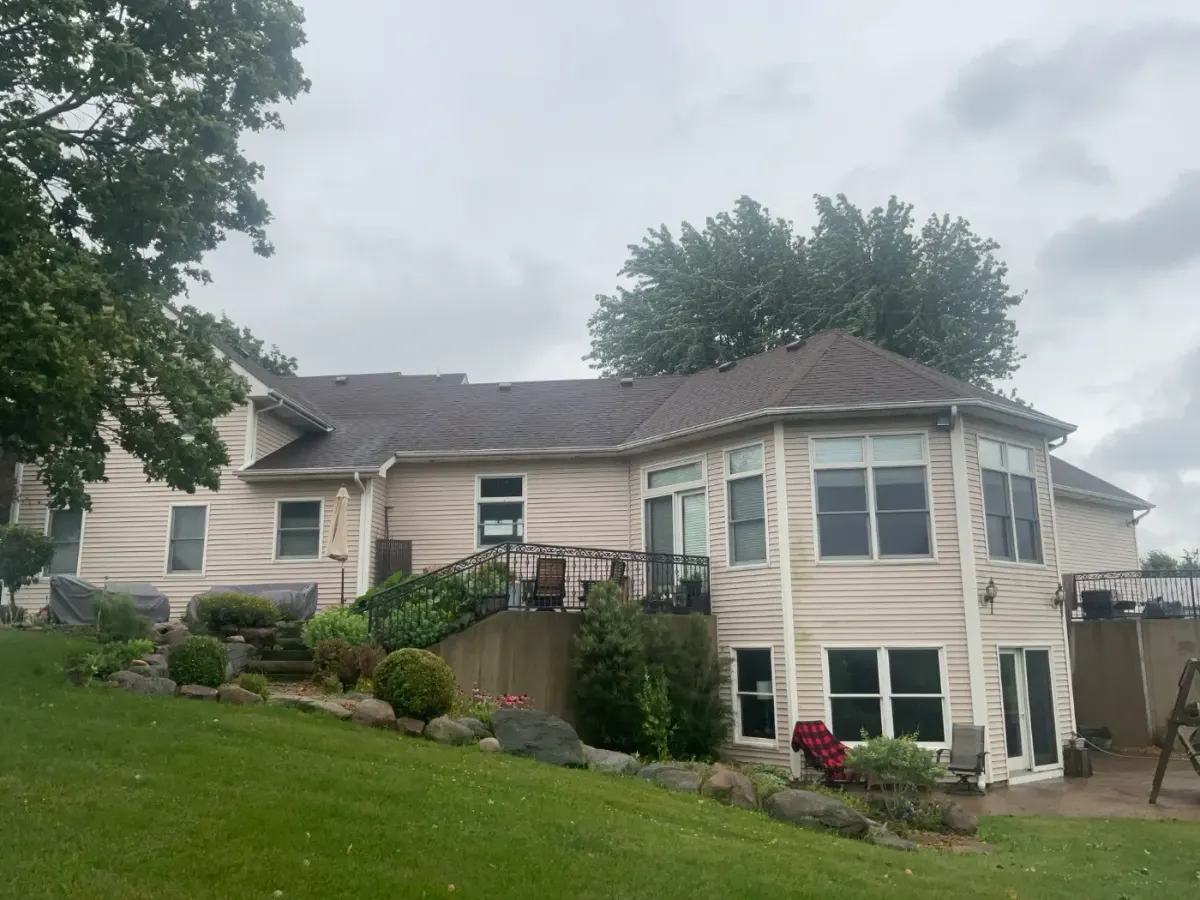
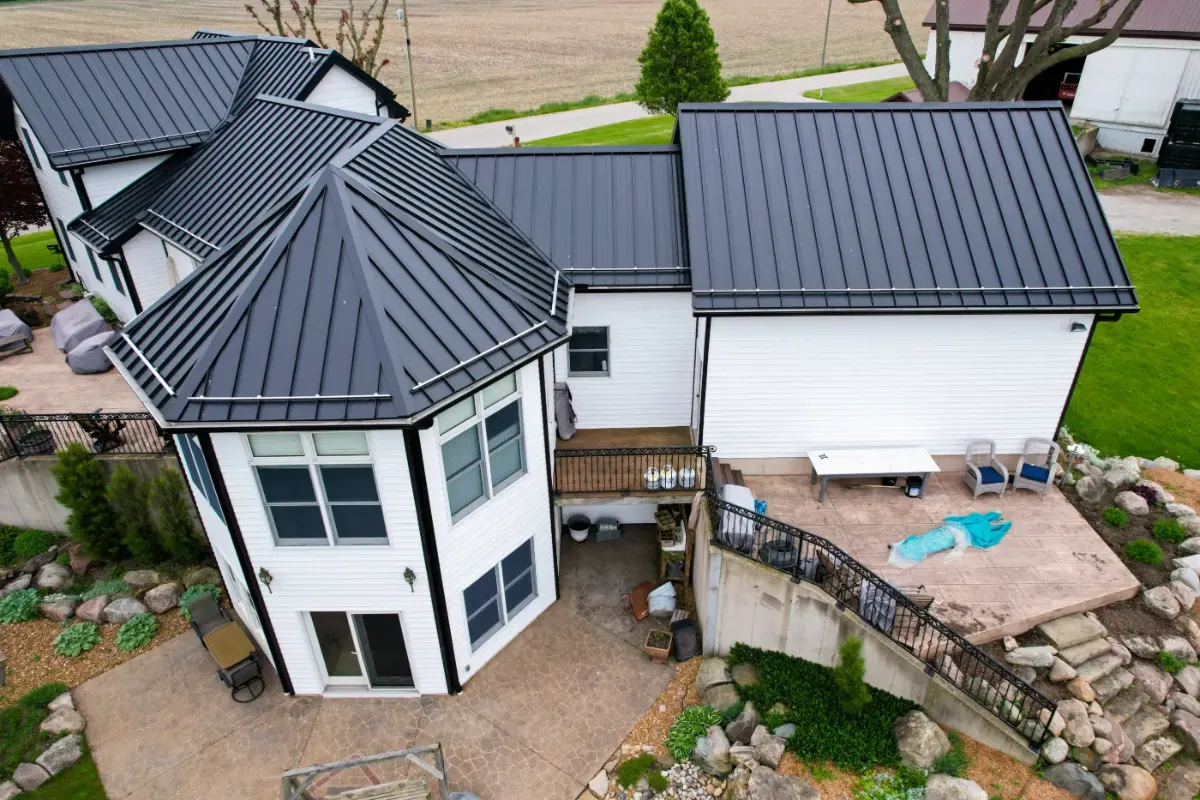
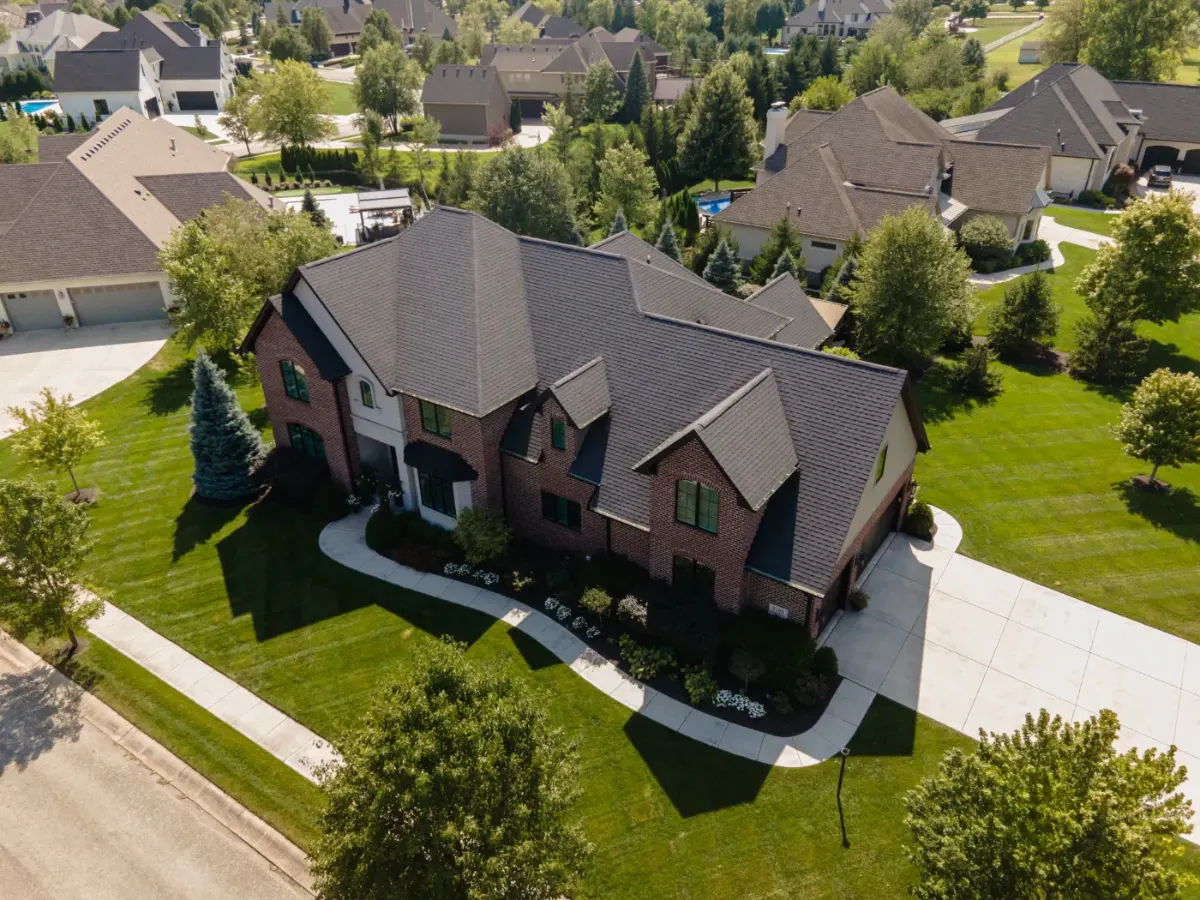
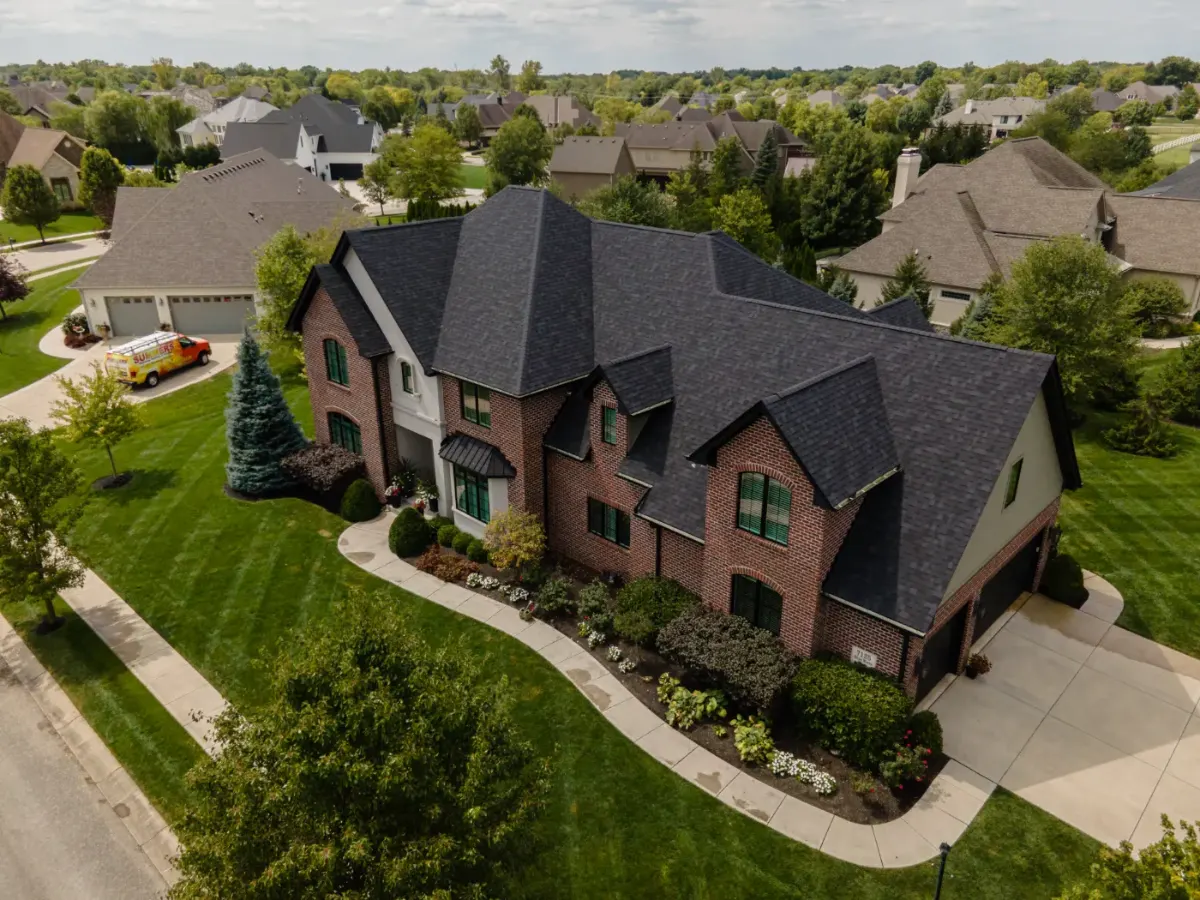
Recent Harbour Trees Roofing Projects
5 before-and-after projects documented for the homeowner and the homeowners insurance carrier.
What we see most often on Harbour Trees roofs
Harbour Trees homeowners typically call us about these scenarios.
Wind Damage Along the Roof Edges
Rakes and eaves take the highest uplift in a Harbour Trees wind event, which is why damage starts at the perimeter and works inward. Starter course and drip edge decide whether the field holds. Harbour Trees Roofing inspects the edges first after a storm and documents lifted starter before it becomes missing field shingles.
Ice and Water Shield That Stops Too Short
Where an ice barrier goes on it runs from the eave to at least 24 inches inside the exterior wall line, and plenty of older Harbour Trees roofs got a strip at the edge and nothing more. The result shows up as a winter leak that disappears every spring. Harbour Trees Roofing checks coverage during tear off and brings it to what the shingle manufacturer's instructions call for rather than matching what was there.
Hail Damage You Cannot See From the Ground
Hail bruises the shingle mat and knocks granules loose without leaving obvious holes, and that damage ages a roof years ahead of schedule. In Harbour Trees hail claims, documentation quality decides the outcome. Harbour Trees Roofing maps impacts slope by slope with photos and attends the adjuster meeting so covered damage gets counted, not argued away.
Previous Repairs Done With Roofing Cement
A black smear over a flashing joint is a repair that hides the problem rather than solving it. The cement cracks, traps water behind itself, and the damage underneath keeps going. Harbour Trees Roofing opens up sealed areas during inspection so you find out what was actually done to the roof before you bought the house.
Skylight Staining the Ceiling Below
A skylight that leaks is usually a flashing kit that has outlived the roof around it, not a failed unit. Harbour Trees Roofing reflashes Harbour Trees skylights to the manufacturer detail or replaces aged units with your sign off, and either way the decking around the curb gets checked while the opening is exposed.
Step Flashing at Dormers and Sidewalls
Harbour Trees Roofing rebuilds sidewall flashing one piece at a time. Where the slope meets the wall, the flashing should be individual L-shaped sections woven in with the shingle courses, and a kick-out belongs at the bottom to send runoff into the gutter. A single long strip tucked behind the siding hides the problem from the driveway while the wall rots from behind.
Three Simple Steps
Every Harbour Trees Roofing project runs on a disciplined process, from the free inspection through to completion.
Free Inspection
We review your roof, document conditions with photos, and explain findings in direct, practical terms. Inspections are scheduled at a time that works for you.
Transparent Estimate
Recommended work arrives as a written outline that ties every item to a benefit for your property. Options get explained at a pace you're comfortable with, and no one pushes.
Quality Installation
Property gets respected, timelines stay consistent, and the crew works attentively. Registering the manufacturer warranty in your name is on us.
Harbour Trees Homeowners on the Crew Names
4.9 stars across 2,307+ Google reviews.
"Honest assessment. Fair pricing. Quality work. Recommended without reservation. They will be the team I call for the next roof."
"Free inspection after a windstorm. They told us the damage was cosmetic and the roof was not ready for replacement. Most contractors would have pushed for replacement. Honest assessment."
"Roof inspection for our home sale. The report was detailed enough that buyers accepted it as part of due diligence without ordering their own. Saved us about a week of closing time."
Before You Sign a Harbour Trees Roofing Contract
Straight answers to the questions Harbour Trees homeowners ask most.
Indiana Weather Affects Roofs Year Round
Maintenance, repairs, and replacement work all get planned around the weather here, because Indiana runs through more of it than almost anywhere in the country. A Harbour Trees homeowner sees hail and severe thunderstorms in spring, UV exposure over the summer, wind storms in fall, and freeze thaw cycles all winter.
Hail Bruising And Cracking
Hail has been documented near Noblesville dozens of times in recent months, and Harbour Trees roofs catch every bit of it. Impacts bruise the mat under the shingle and crack the surface, shortening the life of the roof even when damage is not obvious from the ground. We get on the roof, mark the hits, and photograph them for the record.
Wind Lifting And Tearing
Straight line winds have caused confirmed roof damage across Hamilton County, and the exposed rooflines around Morse Reservoir feel it first. Wind lifts shingle tabs, breaks the sealant strip, and tears sections clean off the deck. When we are called out, we look for creased shingles and compromised edges, not just the obvious missing pieces.
Ice Dams At The Eaves
Central Indiana winters bring freeze thaw cycles that build ice dams along eaves and valleys. Water backs up under the shingles and finds its way into the deck, insulation, and ceilings below. On Harbour Trees homes with complex valleys and dormers, we check underlayment condition, flashing, and ventilation to catch weak points before the next hard freeze.
Granule Loss On Aging Roofs
Many Harbour Trees roofs are on their second or third decade, and the mature tree canopy shades and holds moisture on the shingles. Granules wash into the gutters, the mat is exposed to UV, and the roof ages faster than the calendar says it should. We measure remaining life honestly so you can plan a replacement instead of reacting to a leak.
Choosing the Right Roof for Harbour Trees Homes
An honest breakdown of the three systems we install most frequently.
Architectural asphalt shingles are the workhorse of Harbour Trees roofs and for good reason. They balance up front cost with real weather performance, come in enough colors and profiles to match traditional homes around the golf course and reservoir, and carry strong manufacturer warranties out of the box. The dimensional look adds depth compared to the old three tab shingles many original Harbour Trees roofs were built with. For most homes, architectural asphalt is the sensible answer, giving you decades of service without stretching the budget. We install them cleanly, with proper underlayment, starter courses, and ridge caps that make the whole system perform as designed.
Class 4 impact resistant shingles are built for exactly the kind of springs Harbour Trees keeps having. Where standard asphalt bruises and cracks under hail, Class 4 products are tested to take the hit and keep their integrity, which often means longer granule retention and fewer emergency repairs after a storm. They cost more up front than standard architectural shingles, but for homes in a hail prone area like ours, that math often works out. Ask your insurance carrier whether your policy offers a premium credit for Class 4, some do and some do not, and it is worth a phone call before you decide.
Standing seam metal is the long game. The panels lock together with concealed fasteners, which means no exposed screw heads to back out over time, and the smooth surface sheds snow, ice, and debris from the tree canopy that shortens the life of asphalt roofs. Upkeep is minimal for decades, and the service life easily doubles a typical shingle roof. The honest tradeoff is the higher up front cost and a different look than the traditional shingled homes around Harbour Trees. For the right house and the right owner planning to stay, that first check buys a very long stretch of not thinking about the roof.
Harbour Trees Roofing Services, Explained
Roof Inspections
What you keep after a Harbour Trees roof inspection is a written report, not a verbal impression. Every problem gets photographed close up and wide, so you can see the issue and where it sits. The report describes what we saw, what it means and how urgent it is, in language a person can read without a trade dictionary.
If repair or replacement makes sense, the scope is written out line by line. Nothing hides inside a mystery number. You can hand the whole packet to a spouse, a carrier, or another roofer for a second opinion.
Roof Inspections in Harbour Trees ›Roof Repair
Most repair calls trace back to a handful of triggers. A storm passes and you find pieces of shingle in the driveway. The bathroom fan starts dripping once it turns cold.
A branch comes down and takes a strip with it. Somebody's roofer knocks and announces that you have damage.
Each of those is worth checking, though the last one is worth checking twice. We look, we photograph, and we tell you whether there is a real problem on your Harbour Trees roof or whether someone was hoping you would never climb up.
Roof Repair in Harbour Trees ›Emergency Roof Repair
This work is not the finished repair, and anyone who says otherwise is selling something. What happens at midnight stops water from getting in. The real fix comes in daylight, dry weather, and with the right materials on the truck.
Urgent service also is not a license to charge whatever the moment allows. You get a price before we start, even at an odd hour, and it goes in writing like everything else. A Harbour Trees homeowner in trouble deserves the same straight dealing as one planning a roof months ahead.
Emergency Roof Repair in Harbour Trees ›Roof Replacement
Before quoting a replacement, we measure the roof, count the layers, note the pitch and study how the whole thing is put together. Complexity matters as much as size: valleys, dormers, chimneys and skylights each add labor. We inspect the decking where we can, and warn you that soft boards sometimes stay hidden until the old shingles come off.
Ventilation gets examined too, since intake and exhaust decide how long the new roof lasts. Then we walk your Harbour Trees home and explain what we found in order of importance, so the quote makes sense when it arrives.
Roof Replacement in Harbour Trees ›Designer Roofing
If a storm claim is paying for your roof, an upgrade is usually still possible. The carrier pays what it owes for a comparable shingle, and you cover the gap between that and the product you actually want. We write it that way so the split stays obvious and nothing hides inside one total.
It helps to decide before the claim settles, since changing material later can mean revisiting paperwork. We will lay out both paths for your Harbour Trees home and let you choose without anybody leaning on you. The written scope shows the covered amount and your portion on separate lines.
Designer Roofing in Harbour Trees ›What We Read From the Curb in Harbour Trees
Plenty gets decided before the ladder ever comes off the truck. Standing at the end of the driveway, we sight down the ridge to see whether it runs straight or dips between rafters, then look across each plane for the waves that say a deck has taken on moisture.
Color tells us plenty as well. The slope facing the afternoon sun almost always looks older than the rest of the house, and a heavy wash of granules at the bottom of a downspout means the surface has been giving up its protection for a while.
Next comes a lap around the perimeter, which is where a surprising amount of the useful information lives. We check whether the gutters are pulling away from the fascia, whether the fascia itself has gone soft at the corners, and whether the soffit vents have been painted shut or packed full of insulation from the inside.
Ground conditions matter too. A spot along the foundation that stays wet long after everything else has dried out usually traces back to a roof or gutter problem instead of the grading.
On the roof we work slope by slope. Nail pops raise a shingle just enough to catch a fingernail as you pass a hand over it.
Seal strips that have released let tabs lift in wind that shouldn't be bothering them at all. We look hard at valley wear, at the rubber collars around plumbing stacks, and at the metal where the chimney comes through, since those pieces almost always fail well before the open field of the roof does.
The last stop is inside, up the attic ladder with a light. Pinholes of daylight at the deck seams, rust blooming on the underside of nail tips, and dark staining across the shaded slope all say the same thing in different ways.
We also follow the bath fans to see where they end up, because more of them than you would like dump warm wet air straight into the attic. By the time we come back down the picture is complete enough that we can tell you what your roof needs and, just as often, what it doesn't.
What Happens Once the Ladder Goes Up
The technician who arrives is the one doing the looking, not a salesman with a clipboard waiting on somebody else's report. He sets the ladder with a standoff so the rails never rest on your gutters, which is where a lot of dented aluminum comes from, and he wears soles that won't scuff the surface on a warm day when the material is soft.
He starts at the eaves and works up, because that is where wear concentrates and where ice has done its business over the winters. Along the way he is feeling for give underfoot, lifting a tab or two by hand to see whether the seal strip still holds, and checking whether fasteners sit where they belong or have worked their way up through the course above. Valleys, the metal around the chimney, the collars on the plumbing stacks and the seams of any vent get the closest attention, since those fail long before the open field does.
Some things stop him. Soft decking, a valley that has worn through to the underlayment, a chimney with no counterflashing worked into the mortar, or a slope where the granules have gone and the mat is showing.
Each of those gets photographed with something in frame for scale and gets written down as a finding rather than as an opinion. He also notes the things that look worse than they actually are, like heavy algae streaking on a shaded slope, so nobody talks you into a roof over dirt.
When he comes down he will walk you through what he saw right then, in ordinary language, and he will tell you if the answer is that your roof is fine. He does not carry a price sheet with a discount that expires at sundown, and he has no reason to talk you into anything, because the written scope gets built from the findings afterward and reviewed before it reaches you.
Ask About the Last Day on Your Harbour Trees Roof
Homeowners tend to ask about materials and price and forget to ask about the part they'll actually experience, which is what your property looks like when the trucks pull away. Start with where the debris goes during tear-off.
Tarps on the ground and against the walls, plywood over anything fragile, and a dumpster or trailer positioned so the driveway does not take the hit. Ask what protects the landscaping along the drip line, since that is where most of the old roof lands.
Then ask about nails, because that's the complaint we hear most often about other people's work. A tear-off releases thousands of fasteners, and gravity puts a fair number of them in your yard.
The answer you want involves a rolling magnet run across the drive, the walkways and the perimeter at the end of every day instead of once when the whole job is finished, plus a pass over the lawn where children and pets go. Ask what happens if you find one afterward, and listen for whether somebody comes back without an argument.
Gutters deserve their own question. They collect granules, nail shanks and shingle fragments during a tear-off, and a crew in a hurry will leave all of it sitting there to plug your downspouts by fall.
Ask whether they're cleared before the crew leaves. Ask the same about the roof of a lower porch, a deck or a screened enclosure, which are easy to overlook and easy to damage.
Finally, ask whether somebody walks the job with you at the end. Not a text message saying it's finished, but a person on site while you look at the ridge line, the flashing at the walls, the cut of the valleys and the state of the yard.
That walk is where small things get fixed in ten minutes instead of turning into phone calls. If a company doesn't do one, ask why, because it costs them almost nothing and tells you what they think happens after the check clears.
Why Two Harbour Trees Houses Price Differently
Homeowners compare notes with neighbors, and it's a reasonable thing to do until it produces a confusing answer. Two houses that look alike from the street can carry very different roofing prices, and the reasons are usually invisible from the sidewalk. Start with what's coming off.
A house on its original single layer strips quickly and fills one dumpster. The identical house next door that was reroofed once without a tear-off has two layers to remove, roughly double the disposal weight, and more hours before the deck is even visible.
The deck itself is the second divergence. One house has plywood in sound condition and needs a handful of sheets.
The other has plank decking with wide gaps, boards split by old fasteners, and soft spots along the eaves where ice sat for years, and it needs a substantial amount of replacement before anything can be installed over it. Neither homeowner knew that in advance, which is exactly why the allowance belongs in the written scope.
Geometry accounts for much of the rest. Add a couple of dormers, a valley or two and a lower porch roof at a shallow pitch, and you have added cutting, waste, flashing detail and hours without adding much area at all. Access matters as well.
A house with a wide driveway and open sides lets a crew stage material and drop debris efficiently. A house on a tight lot with mature landscaping against the walls and a fence line close in means everything gets carried and hand loaded.
Then there are the choices that are actually yours. The material line, whether the ventilation is being corrected or just replaced in kind, whether the gutters and drip edge are being renewed at the same time, and whether the chimney needs new counterflashing worked into the mortar or simply a new apron.
Your neighbor may have said no to half of that. A number by itself never tells you which house you are comparing.
When the Install Calendar Fills Up
Roofing work is not spread evenly through the year, and knowing the rhythm can save you a fair amount of waiting. The quiet stretch is the deep part of winter, when the phone is mostly repairs and emergency calls. That's the ideal time to have an inspection done and a scope written for work you intend to have done later, because nobody is rushed and you can take your time with the decision.
Things tighten in a hurry once spring weather arrives. If a hail event comes through the area, every company within driving distance fills their calendar within days, and out of town crews show up to soak up the overflow.
Homeowners who wait until then to start getting bids end up choosing from whoever has an opening instead of from whoever they wanted. If your roof is already on borrowed time in the fall, getting the paperwork settled over the winter puts you near the front of the line once spring arrives.
Summer runs steady and predictable, which is why it's the easiest season to schedule with confidence. Days are long enough that most houses go up and get dried in the same day, and the weather cooperates often enough that reschedules are rare. The tradeoff is that everyone else has figured this out too, so lead times in the middle of the season are usually the longest of the year.
Autumn is a scramble. Everybody who has been putting it off wants their roof done before winter, and the daylight is shrinking while the list is growing. We keep installing as long as conditions allow, and there is nothing wrong with a cold weather install done properly, but the window narrows and the flexibility disappears.
If you know you need a roof, the cheapest thing you can do is decide early. Nothing about the work itself costs more in a hurry, but the waiting does. A scope written in the quiet part of the year also holds its shape better than one put together in a parking lot the week after a hailstorm.
What Else Harbour Trees Asks Us
Projects Across the Harbour Trees Map
Click a neighborhood below and you'll find the details our crews gathered on roofs there, across Harbour Trees and the areas next to it.
Where we respond near Harbour Trees
Indiana-licensed crews dispatched to Harbour Trees and the closest surrounding communities.
Roofing Systems Compared in Harbour Trees
Here for quick reference: our four most commonly installed residential systems, with prices drawn from typical Harbour Trees work.
Nothing is charged for a written scope and quote. The ranges shown are typical of the Harbour Trees market in 2026. Any upper figure marked with a plus sign can be exceeded depending on what the inspection turns up.
Harbour Trees Roofing is powered by Indy Roof & Restoration
Powered by means owned and operated: Indy Roof & Restoration staffs every job booked through this page. Since 2018, their crews have worked central Indiana through every storm season, and Harbour Trees sits squarely in that footprint. The proof is public: 2,307+ verified Google reviews, 4.9 stars, one of the strongest ratings of any contractor in central Indiana.
Licensed and insured · License #RC21100059
The shop holds Owens Corning Preferred Contractor, Malarkey Certified Contractor, BBB A+ Accredited and Google Google Guaranteed. Local media including FOX59, WISH TV, and RTV6 have covered their work.
Expert Harbour Trees Roofing Crews Available Now
Whether a spring storm just rolled through, your Harbour Trees roof is showing its age, or you are simply planning the next replacement before it becomes urgent, now is the right time to know where things stand. Book a free inspection with no obligation, and we will document everything you need for a clean decision or a solid insurance claim.